English
 Español
 Русский
 لالعربية

Complete Guide to Technical Deep Dive: mixer energy consumption analysis Specifications, Design, and Optimization
release time:
2026-06-07
Technical analysis of mixer energy consumption analysis specifications and design. Deep dive into energy efficient mixer design, mixer power optimization techniques, and mixer energy saving strategies. Understand engineering principles and optimization techniques.
Whether you're an engineer, plant manager, or procurement specialist, this article offers valuable insights and practical guidance for optimizing your operations..
This comprehensive guide provides in-depth analysis, practical insights, and expert recommendations for mixer energy consumption analysis..
Whether you're a plant manager, engineer, or procurement specialist, you'll find valuable information to optimize your operations..
Understanding mixer energy consumption analysis Fundamentals mixer energy consumption analysis represents a critical component in modern industrial processes..
Understanding the fundamental principles behind this technology is essential for effective implementation and optimization..
This section explores the core concepts, working mechanisms, and key considerations that form the foundation of successful mixer energy consumption analysis applications..
Core Principles and Mechanisms The operation of mixer energy consumption analysis is based on well-established engineering principles..
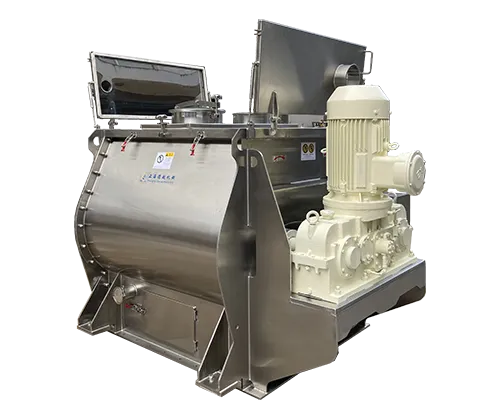
The Technical Deep Dive represents advanced technology in industrial processing equipment. Its design incorporates modern engineering principles to address specific application requirements while ensuring reliability and performance consistency.
Implementation of Technical Deep Dive requires careful consideration of process parameters, material characteristics, and operational requirements. Proper equipment selection and configuration are essential for achieving desired outcomes in production environments.
Technical specifications for Technical Deep Dive include detailed performance metrics, dimensional parameters, and operational capabilities. Understanding these specifications enables informed decision-making during equipment selection and implementation phases.
Key Benefits and Advantages of Technical Deep Dive:
- Improved operational efficiency – optimized performance reduces processing time
- Enhanced product quality – consistent results meet quality specifications
- Reduced operational costs – energy-efficient design lowers operating expenses
- Increased safety – integrated safety features protect operators
- Reliable performance – robust construction ensures long-term operation
Technical Specifications and Features:
- Capacity range – from laboratory scale to industrial production volumes
- Construction materials – stainless steel, carbon steel, or specialty alloys
- Drive systems – variable speed controls with torque monitoring
- Sealing options – mechanical seals, packing glands, or magnetic drives
- Discharge mechanisms – slide gates, butterfly valves, or pneumatic doors
- Control systems – manual, semi-automatic, or fully automated operation
- Safety features – emergency stops, interlocks, and guarding systems
Applications and Industry Use Cases:
- Industrial manufacturing – process equipment and production systems
- Chemical processing – reaction vessels and mixing systems
- Food production – processing equipment and packaging systems
- Pharmaceutical manufacturing – production equipment and cleanroom systems
- Construction – structural components and building systems
- Automotive – assembly components and manufacturing systems
- Energy sector – power generation and distribution equipment
Selection Criteria and Considerations:
1. Material characteristics including particle size, density, and flow properties
2. Required mixing intensity and homogeneity specifications for the application
3. Batch size requirements and production capacity considerations
4. Sanitary requirements and cleanability specifications
5. Available installation space and utility connections
6. Maintenance accessibility and service requirements
7. Budget constraints and return on investment calculations
Best Practices for Optimal Performance:
1. Conduct material testing to determine optimal mixing parameters
2. Implement regular maintenance schedules for seals, bearings, and drives
3. Train operators on proper loading, mixing, and discharge procedures
4. Monitor mixing performance through regular sampling and analysis
5. Document all maintenance activities and performance observations
6. Stay informed about technological advancements and upgrade opportunities
7. Establish quality control procedures for consistent product quality
Future Trends and Developments: The mixing equipment industry is evolving with advancements in automation, IoT integration, and sustainable technologies. Future Technical Deep Dive systems will incorporate smart sensors for real-time process monitoring, predictive maintenance algorithms, and energy optimization features. Digital twin technology and advanced simulation software are transforming equipment design and optimization processes, enabling virtual testing and performance prediction before physical implementation.
For comprehensive technical consultation, equipment selection guidance, and professional support regarding Technical Deep Dive implementation, please contact our expert engineering team. We provide customized solutions tailored to your specific application requirements, operational objectives, and quality standards. Our technical specialists can assist with equipment specification, process optimization, and implementation strategies to ensure successful integration into your production environment.
label:
related news