English
 Español
 Русский
 لالعربية

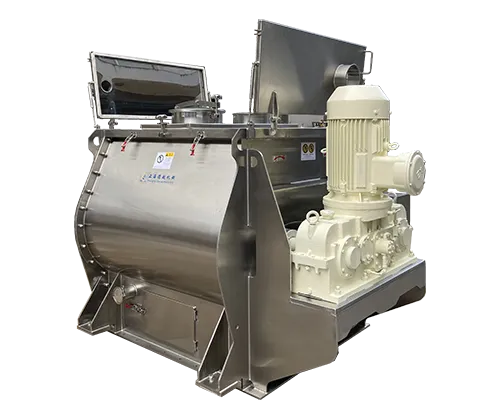
Explosion Proof Mixer for Flammable Materials | ATEX Certified
release time:
2026-07-05
Ensure safe powder handling with our certified explosion proof mixer. Ideal for hazardous area mixing, ATEX compliant, and designed for flammable material processing.
Explosion-Proof Mixers for Flammable Material Processing
In industrial environments where dust, vapors, or gases present ignition risks, standard mixing equipment poses a severe safety hazard. For plant managers and engineering teams handling flammable substances—such as pharmaceutical powders, chemical intermediates, food ingredients, or metal powders—the selection of an explosion proof mixer is not merely a regulatory requirement but a critical operational necessity. These specialized machines are engineered to prevent the initiation of explosions through strict control of mechanical sparks, static electricity, and surface temperatures.
This guide explores the technical specifications, safety standards, and operational benefits of high-performance mixing solutions designed specifically for hazardous area mixing applications. By understanding the engineering principles behind safe powder handling, facilities can ensure compliance with international standards while maintaining production efficiency.
Understanding the Risks in Flammable Material Processing
The core danger in processing combustible materials lies in the formation of a "fire triangle": fuel (dust/powder), oxygen, and an ignition source. In mixing operations, common ignition sources include:
- Mechanical Friction: Metal-to-metal contact between impellers and tank walls.
- Static Discharge: Accumulation of electrostatic charge during powder movement.
- Electrical Arcs: Sparks from motors, switches, or faulty wiring.
- Hot Surfaces: Motor overheating exceeding the auto-ignition temperature of the dust cloud.
An explosion proof mixer mitigates these risks through robust design features, including non-sparking materials, hermetically sealed electrical components, and advanced grounding systems. This ensures that even in the event of a defect, the energy released is insufficient to ignite the surrounding atmosphere.
Key Technical Features of ATEX Certified Mixers
When procuring equipment for hazardous area mixing, it is essential to verify that the machinery meets specific certification standards. The most widely recognized standards are ATEX (Europe) and IECEx (International). Below are the critical technical components that define a reliable ATEX mixer:
1. Non-Sparking Construction Materials
Standard stainless steel can generate sparks upon impact. High-end explosion-proof mixers utilize specialized alloys such as Aluminum-Bronze, Copper-Beryllium, or specialized non-ferrous composites for impellers and baffles. These materials are chosen because they are softer than steel and do not produce ignition-capable sparks when striking hard surfaces or other metal parts.
2. Sealed Electrical Systems
The motor and drive assembly must be fully enclosed to prevent the escape of internal sparks or hot gases into the external environment. This is achieved through:
- Flameproof Enclosures (Ex d): Housing capable of withstanding an internal explosion without damaging the enclosure and preventing flame transmission to the outside.
- Intrinsic Safety (Ex i): Limiting electrical and thermal energy to levels below the ignition threshold of the surrounding atmosphere.
- Pressurized Enclosures (Ex p): Maintaining a protective gas pressure inside the electrical cabinet to keep explosive atmospheres out.
3. Static Dissipation and Grounding
Proper safe powder handling requires continuous dissipation of static charges. Explosion-proof mixers feature conductive shafts, grounding brushes, and anti-static coatings on internal surfaces. The entire system is bonded to earth ground to ensure that any static buildup is safely discharged rather than accumulating to create a spark.
4. Temperature Control
Surface temperatures of all components, particularly the motor housing and bearing assemblies, must remain below the Minimum Ignition Temperature (MIT) of the processed dust. This is often monitored via integrated PT100 temperature sensors that trigger automatic shutdowns if critical thresholds are approached.
Comparison: Standard vs. Explosion-Proof Mixing Solutions
To illustrate the value proposition of investing in certified equipment, consider the following technical comparison:
| Feature | Standard Industrial Mixer | Explosion-Proof / ATEX Mixer |
|---|---|---|
| Motor Type | Open drip-proof (ODP) | Totally enclosed fan-cooled (TEFC) with Ex rating |
| Impeller Material | Standard SS304/SS316 | Non-sparking alloy (e.g., Al-Bronze) or coated SS |
| Shaft Seal | Packing gland or standard mechanical seal | Double mechanical seal with nitrogen purge barrier |
| Electrical Controls | Standard NEMA 1 enclosure | NEMA 4X / IP66 rated Ex-proof junction box |
| Compliance | General industrial safety | ATEX Directive 2014/34/EU, IECEx, NEC Class I/II |
| Risk Profile | High risk in hazardous zones | Minimized ignition potential |
Optimizing Safe Powder Handling Operations
Selecting the right explosion proof mixer is only part of the equation. Effective safe powder handling requires a holistic approach to facility design and operation. Engineers should consider the following best practices alongside equipment selection:
- Zoning Analysis: Clearly define Zone 1, Zone 2, Zone 21, and Zone 22 areas within the facility. Ensure the selected mixer’s certification matches the specific zone classification.
- Preventative Maintenance: Regularly inspect shaft seals, grounding connections, and electrical housings. Wear and tear on seals can compromise the integrity of the explosion-proof barrier.
- Dust Extraction Integration: Pair the mixer with properly rated dust collection systems to remove airborne particulates before they reach explosive concentrations.
- Operator Training: Staff must understand the specific limitations of the equipment, including maximum fill rates and temperature constraints, to prevent operational errors that could lead to incidents.
Conclusion
The integration of an explosion proof mixer into your production line is a decisive step toward ensuring operational continuity, regulatory compliance, and personnel safety. Whether dealing with volatile chemicals, fine food powders, or reactive metals, the engineering rigor behind ATEX mixer technology provides the necessary safeguards against catastrophic ignition events.
By prioritizing non-sparking materials, sealed electrical systems, and robust static dissipation, manufacturers can achieve efficient mixing processes without compromising on safety. For plant managers and procurement specialists, the choice of a certified, high-quality mixing solution is an investment in long-term risk mitigation and operational excellence.
If you require expert consultation on selecting the appropriate mixing equipment for your specific hazardous environment, our engineering team is ready to assist. Contact us today to discuss your project requirements.
Contact Us:
Phone: +86 13917895463
Email: [email protected]
Website: https://www.deyuemixer.com/
label:
related news